

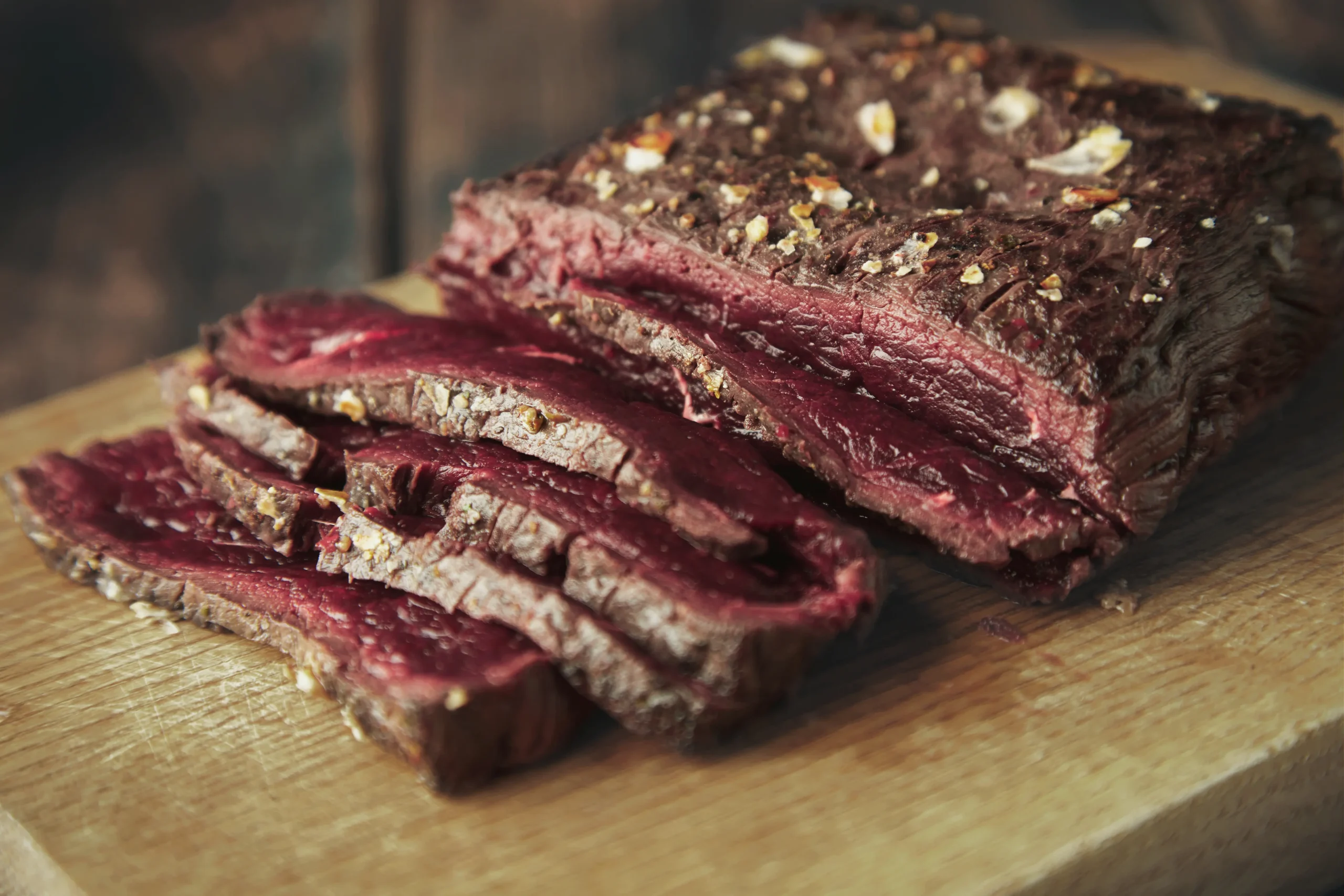
At Bacacay We experience the grill from the inside. We’re a project that began in Alicante to maintain that connection with our Argentine roots and with our very own way of understanding food: gathered around a table, without rushing, and, whenever possible, with the fire lit. On our grill, we prepare Argentine cuts such as the chorizo steak, skirt steak, flank steak, or strip roast, where the quality of the meat is just as important as knowing how to cook it over the coals.
But Argentina isn't the only country that has made meat and fire part of its culinary culture. Uruguay has a tradition of asado that is closely linked to Argentina's, while the United States has developed an entire culture centered on BBQ and smoking. At first glance, they may seem like three versions of the same thing. But as soon as you get up close to the grill, the differences become apparent: The heat changes, the technique changes, the cuts change, and, above all, what ultimately reaches the palate changes.
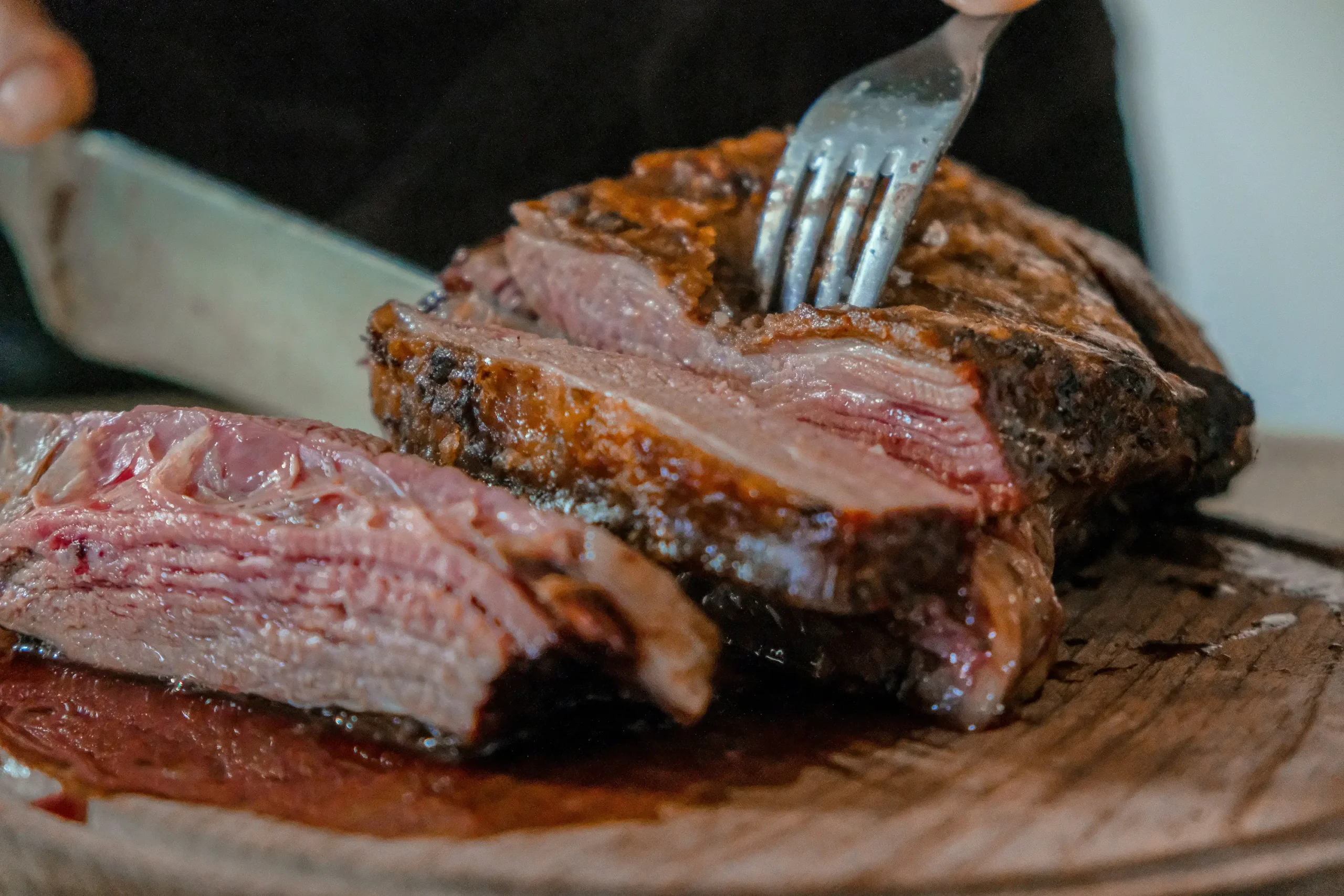
Argentine Grill vs. Uruguayan Asado vs. American BBQ: A Quick Look at the Differences
Before we get into the details, this table will help you get an idea:
| Appearance | Argentine barbecue | Uruguayan Barbecue | American-style BBQ |
|---|---|---|---|
| Technical Highlight | Cooking over controlled coals | Grilled over hot coals, using different fire-cooking traditions | Smoking and Indirect Cooking in Many Styles |
| Featured Product | Especially beef and its cuts | A long-standing tradition of beef and grilled dishes | Beef and pork, by region |
| Weather | It depends on the cut and thickness | It depends on the product and the technique | It can last for many hours |
| Seasoning | Generally simple | Generally simple | Rubs, spices, and sauces can make a big difference |
| Flavor Profile | Meat, grilling, and caramelization on the outside | Product, Embers, and Fuel Characteristics | Smoke, spices, and slow cooking |
| Examples | Chorizo steak, flank steak, skirt steak, strip roast | Grilled beef strips, offal, and local specialties | Brisket, ribs, pulled pork |
One thing needs to be clarified: None of these culinary traditions can be summed up in a single rule. Regions, homes, barbecue chefs, and family traditions vary. Even when comparing Argentina and Uruguay, there are significant exceptions in matters such as the use of charcoal or firewood.
<blockquote class="instagram-media" data-instgrm-captioned data-instgrm-permalink="https://www.instagram.com/reel/DaFqx78gWtT/?utm_source=ig_embed&utm_campaign=loading" data-instgrm-version="14" style=" background:#FFF; border:0; border-radius:3px; box-shadow:0 0 1px 0 rgba(0,0,0,0.5),0 1px 10px 0 rgba(0,0,0,0.15); margin: 1px; max-width:540px; min-width:326px; padding:0; width:99.375%; width:-webkit-calc(100% - 2px); width:calc(100% - 2px);"><div style="padding:16px;"> <a href="https://www.instagram.com/reel/DaFqx78gWtT/?utm_source=ig_embed&utm_campaign=loading" style=" background:#FFFFFF; line-height:0; padding:0 0; text-align:center; text-decoration:none; width:100%;" target="_blank"> <div style=" display: flex; flex-direction: row; align-items: center;"> <div style="background-color: #F4F4F4; border-radius: 50%; flex-grow: 0; height: 40px; margin-right: 14px; width: 40px;"></div> <div style="display: flex; flex-direction: column; flex-grow: 1; justify-content: center;"> <div style=" background-color: #F4F4F4; border-radius: 4px; flex-grow: 0; height: 14px; margin-bottom: 6px; width: 100px;"></div> <div style=" background-color: #F4F4F4; border-radius: 4px; flex-grow: 0; height: 14px; width: 60px;"></div></div></div><div style="padding: 19% 0;"></div> <div style="display:block; height:50px; margin:0 auto 12px; width:50px;"><svg width="50px" height="50px" viewbox="0 0 60 60" version="1.1" xmlns="https://www.w3.org/2000/svg" xmlns:xlink="https://www.w3.org/1999/xlink"><g stroke="none" stroke-width="1" fill="none" fill-rule="evenodd"><g transform="translate(-511.000000, -20.000000)" fill="#000000"><g><path d="M556.869,30.41 C554.814,30.41 553.148,32.076 553.148,34.131 C553.148,36.186 554.814,37.852 556.869,37.852 C558.924,37.852 560.59,36.186 560.59,34.131 C560.59,32.076 558.924,30.41 556.869,30.41 M541,60.657 C535.114,60.657 530.342,55.887 530.342,50 C530.342,44.114 535.114,39.342 541,39.342 C546.887,39.342 551.658,44.114 551.658,50 C551.658,55.887 546.887,60.657 541,60.657 M541,33.886 C532.1,33.886 524.886,41.1 524.886,50 C524.886,58.899 532.1,66.113 541,66.113 C549.9,66.113 557.115,58.899 557.115,50 C557.115,41.1 549.9,33.886 541,33.886 M565.378,62.101 C565.244,65.022 564.756,66.606 564.346,67.663 C563.803,69.06 563.154,70.057 562.106,71.106 C561.058,72.155 560.06,72.803 558.662,73.347 C557.607,73.757 556.021,74.244 553.102,74.378 C549.944,74.521 548.997,74.552 541,74.552 C533.003,74.552 532.056,74.521 528.898,74.378 C525.979,74.244 524.393,73.757 523.338,73.347 C521.94,72.803 520.942,72.155 519.894,71.106 C518.846,70.057 518.197,69.06 517.654,67.663 C517.244,66.606 516.755,65.022 516.623,62.101 C516.479,58.943 516.448,57.996 516.448,50 C516.448,42.003 516.479,41.056 516.623,37.899 C516.755,34.978 517.244,33.391 517.654,32.338 C518.197,30.938 518.846,29.942 519.894,28.894 C520.942,27.846 521.94,27.196 523.338,26.654 C524.393,26.244 525.979,25.756 528.898,25.623 C532.057,25.479 533.004,25.448 541,25.448 C548.997,25.448 549.943,25.479 553.102,25.623 C556.021,25.756 557.607,26.244 558.662,26.654 C560.06,27.196 561.058,27.846 562.106,28.894 C563.154,29.942 563.803,30.938 564.346,32.338 C564.756,33.391 565.244,34.978 565.378,37.899 C565.522,41.056 565.552,42.003 565.552,50 C565.552,57.996 565.522,58.943 565.378,62.101 M570.82,37.631 C570.674,34.438 570.167,32.258 569.425,30.349 C568.659,28.377 567.633,26.702 565.965,25.035 C564.297,23.368 562.623,22.342 560.652,21.575 C558.743,20.834 556.562,20.326 553.369,20.18 C550.169,20.033 549.148,20 541,20 C532.853,20 531.831,20.033 528.631,20.18 C525.438,20.326 523.257,20.834 521.349,21.575 C519.376,22.342 517.703,23.368 516.035,25.035 C514.368,26.702 513.342,28.377 512.574,30.349 C511.834,32.258 511.326,34.438 511.181,37.631 C511.035,40.831 511,41.851 511,50 C511,58.147 511.035,59.17 511.181,62.369 C511.326,65.562 511.834,67.743 512.574,69.651 C513.342,71.625 514.368,73.296 516.035,74.965 C517.703,76.634 519.376,77.658 521.349,78.425 C523.257,79.167 525.438,79.673 528.631,79.82 C531.831,79.965 532.853,80.001 541,80.001 C549.148,80.001 550.169,79.965 553.369,79.82 C556.562,79.673 558.743,79.167 560.652,78.425 C562.623,77.658 564.297,76.634 565.965,74.965 C567.633,73.296 568.659,71.625 569.425,69.651 C570.167,67.743 570.674,65.562 570.82,62.369 C570.966,59.17 571,58.147 571,50 C571,41.851 570.966,40.831 570.82,37.631"></path></g></g></g></svg></div><div style="padding-top: 8px;"> <div style=" color:#3897f0; font-family:Arial,sans-serif; font-size:14px; font-style:normal; font-weight:550; line-height:18px;">View this post on Instagram</div></div><div style="padding: 12.5% 0;"></div> <div style="display: flex; flex-direction: row; margin-bottom: 14px; align-items: center;"><div> <div style="background-color: #F4F4F4; border-radius: 50%; height: 12.5px; width: 12.5px; transform: translateX(0px) translateY(7px);"></div> <div style="background-color: #F4F4F4; height: 12.5px; transform: rotate(-45deg) translateX(3px) translateY(1px); width: 12.5px; flex-grow: 0; margin-right: 14px; margin-left: 2px;"></div> <div style="background-color: #F4F4F4; border-radius: 50%; height: 12.5px; width: 12.5px; transform: translateX(9px) translateY(-18px);"></div></div><div style="margin-left: 8px;"> <div style=" background-color: #F4F4F4; border-radius: 50%; flex-grow: 0; height: 20px; width: 20px;"></div> <div style=" width: 0; height: 0; border-top: 2px solid transparent; border-left: 6px solid #f4f4f4; border-bottom: 2px solid transparent; transform: translateX(16px) translateY(-4px) rotate(30deg)"></div></div><div style="margin-left: auto;"> <div style=" width: 0px; border-top: 8px solid #F4F4F4; border-right: 8px solid transparent; transform: translateY(16px);"></div> <div style=" background-color: #F4F4F4; flex-grow: 0; height: 12px; width: 16px; transform: translateY(-4px);"></div> <div style=" width: 0; height: 0; border-top: 8px solid #F4F4F4; border-left: 8px solid transparent; transform: translateY(-4px) translateX(8px);"></div></div></div> <div style="display: flex; flex-direction: column; flex-grow: 1; justify-content: center; margin-bottom: 24px;"> <div style=" background-color: #F4F4F4; border-radius: 4px; flex-grow: 0; height: 14px; margin-bottom: 6px; width: 224px;"></div> <div style=" background-color: #F4F4F4; border-radius: 4px; flex-grow: 0; height: 14px; width: 144px;"></div></div></a><p style=" color:#c9c8cd; font-family:Arial,sans-serif; font-size:14px; line-height:17px; margin-bottom:0; margin-top:8px; overflow:hidden; padding:8px 0 7px; text-align:center; text-overflow:ellipsis; white-space:nowrap;"><a href="https://www.instagram.com/reel/DaFqx78gWtT/?utm_source=ig_embed&utm_campaign=loading" style=" color:#c9c8cd; font-family:Arial,sans-serif; font-size:14px; font-style:normal; font-weight:normal; line-height:17px; text-decoration:none;" target="_blank">A post shared by Bacacay Parrilla & Co. | Alicante (@bacacayparrilla)</a></p></div></blockquote>
<script async src="//www.instagram.com/embed.js"></script>What makes Argentine barbecue unique?
The secret begins before you put the meat in
A good Argentine barbecue isn't just about lighting a fire and throwing a steak on it.
The grill chef works with the embers, adjust the heat and distribute it according to what you're cooking. A thin cut doesn't require the same cooking method as a thick cut; a strip steak with the bone doesn't cook the same way as a skirt steak either.
Part of the job is precisely knowing when to bring heat closer, move it farther away, or redistribute it.
That's why Argentine grilling requires a bit of patience. The goal isn't for the flame to overpower the meat, but rather to use the heat in a controlled way to achieve a nicely browned surface while preserving the juiciness inherent in each cut.
The cut isn't just a detail—it's the star of the show
Another characteristic of the Argentine barbecue is the great importance placed on Which part of the animal ends up on the grill?.
Chorizo steak, ribeye, flank steak, skirt steak, and strip roast have different proportions of fat, thickness, texture, and grain direction. This determines the best way to cook them and also the dining experience.
A ribeye steak, for example, is known for its marbling. The flank steak has a very different texture and character. The strip roast also includes the bone in the equation.
If you'd like to learn more about them, you can check out our Guide to Argentine Cuts of Meat.
Less intervention so the meat can speak for itself
Here we see an interesting difference compared to certain American BBQ schools.
On an Argentine grill, seasoning can be very simple. The idea isn't usually to hide the flavor of the cut under numerous layers of ingredients, but rather support and empower him.
Salt plays an obvious role, and then there are classics like chimichurri, which can accompany the meat without becoming its only flavor.
Simply put: if we have a good cut, we want it to taste like a good cut.
How does the Uruguayan asado differ from the Argentine asado?
Argentina and Uruguay are so similar culturally and gastronomically that trying to draw a clear line between their barbecues would be quite artificial.
Both traditions share a respect for meat, the importance of social gatherings, and an entire culture centered around the grill and the fire.
So, where do the differences lie?

Fuel and How to Work with Fire
One of the distinctions that is often mentioned is the traditionally greater presence of the coal in certain areas of Argentina and the firewood in Uruguay.
But it's not a good idea to make it law: in many regions of Argentina, firewood is also used, and in Uruguay today, it's perfectly possible to find barbecue chefs who use charcoal.
The choice matters because each fuel affects the rate at which embers form and can produce different nuances.
Dishes, Names, and Customs
There are also differences in the names of the cuts and in some common preparations. Uruguayan cuisine features specialties that do not necessarily appear in the same way on an Argentine grill.
Even the grates can vary. Round bars have traditionally been associated with Uruguay, while in Argentina it’s common to find V-shaped, grooved grates that help channel the fat. Again, we’re talking about culinary trends, not fixed boundaries.
So what exactly is American-style BBQ?
Here, the difference starts to become much more obvious.
First, we need to clear up a common misunderstanding: "American-style BBQ" doesn't just mean cooking something on a grill.
The United States has a wide variety of regional traditions. Texas, the Carolinas, Memphis, and Kansas City, for example, don't all have exactly the same understanding of barbecue. The main meats, the wood, the seasonings, and the sauces vary.
Smoke is part of the cooking process
In many of the most representative styles of American BBQ, we find a technique known as low and slow: relatively low temperatures, indirect heat, smoke, and plenty of time.
That's where dishes like brisket, ribs, and pulled pork come in.
Instead of aiming for relatively quick cooking over carefully controlled coals, certain cuts are cooked slowly for hours. Time helps transform tough meat, and the smoke imparts a flavor that becomes an essential part of the final result.
Rubs and sauces have a lot more to offer
Another major difference lies in the seasoning.
Many American styles use dry rubs, spice blends that coat the meat before cooking. In other cases, sauces with sweet, sour, spicy, or smoky flavors are used.
Not all American BBQ uses a lot of sauce—Texas would certainly have something to say about that—but seasonings tend to play a more prominent role than in Argentine-style grilling.

The 6 Main Differences Between Argentine Parrilla, Uruguayan Asado, and BBQ
1. Fire
Argentina and Uruguay share a tradition closely tied to charcoal and grilling. In much of American BBQ, indirect heat and smoke play a much more prominent role.
2. The cuts
Argentine barbecue revolves around cuts such as bife, vacío, entraña, and asado de tira. American BBQ has turned cuts such as brisket, pork shoulder, and ribs into true icons.
3. The Weather
Grilling may require patience, but some BBQ dishes take that patience to a whole new level: we're talking about processes that can last many hours.
4. Smoke
In Argentina, it can add a subtle nuance. In certain American styles, it is actually one of the main flavors.
5. Seasoning
Argentine tradition tends to let the ingredients take center stage. In BBQ, spices, glazes, and sauces can play a much more prominent role.
6. The taste on the palate
And here's what really matters.
At a good Argentine barbecue, you can tell right away the meat, its fat, the browned exterior, and the degree of doneness.
At an American-style BBQ, you'll find meat that's incredibly tender and a much more intense smoky flavor.
The Uruguayan asado is culturally and technically much closer to the Argentine tradition, although it retains its own distinctive characteristics.
So, what makes Argentine barbecue so special?
Perhaps its greatest strength is precisely that It seems simple until you try to do it really well. Good product. Salt. Embers. Time.
Not much on paper. But every decision matters: Choose the cut, understand its fat content, control the temperature, decide when to flip it, and know when to take it out.
Argentine cuisine doesn't need to compete with Uruguayan or American cuisine to have its own identity. Its character shines through when technique is used just enough to let the ingredients speak for themselves.
And when that happens, there's no need to say much: the table is usually pretty quiet during the first bite.

Frequently Asked Questions
What's the difference between Argentine-style grilling and American-style BBQ?
The main difference lies in the technique. Argentine grilling relies primarily on hot coals and aims to highlight the cut of meat and its doneness, while many American BBQ styles use indirect heat, smoke, and much longer cooking times.
Is the Argentine asado the same as the Uruguayan one?
Not exactly. These traditions are very similar and share many techniques and customs, but there are differences in fuel, cuts of meat, names, types of grills, and typical preparation methods.
What kind of meat is used on an Argentine grill?
Among the best-known cuts are bife de chorizo, ojo de bife, vacío, entraña, and asado de tira, as well as products such as chorizos and various offal cuts.
What is "asado de tira"?
It is a cross-cut of the ribs, so that the piece includes small sections of bone. It is one of the great classics of the River Plate grill.
Does American-style BBQ always take several hours?
No. The United States has a wide variety of styles and techniques. However, the “low and slow” method—which combines relatively low temperatures, smoke, and long cooking times—is particularly representative of many BBQ traditions.
Which cooking style best brings out the meat's natural flavor?
It depends on the preparation, but Argentine-style grilling stands out precisely because of its relatively minimal intervention: a good cut of meat, well-controlled coals, and seasoning that typically aims to complement the meat rather than mask it.
Three Fire Cultures, Three Ways to Enjoy Meat
Argentina, Uruguay, and the United States show that cooking over an open fire can mean very different things.
American barbecue has developed an extraordinary culture centered on smoke and slow cooking. Uruguay shares with Argentina a rich River Plate tradition of asado. And the Argentine barbecue derives much of its character from something seemingly simple: knowing the cut, mastering the coals, and cooking the meat to the right doneness.
If you'd like to see that difference without having to light a fire at home, at Bacacay—we're waiting for you in Alicante with the grill all set up.
 English
 Spanish