


December brings a change of pace to Alicante. The city turns on its Christmas lights, the downtown area fills with people strolling aimlessly, and the days revolve around two things: shopping and dining. It’s a different kind of Christmas than in inland Spain, because here you can take a walk outdoors almost any afternoon, and because the sea is still just a ten-minute walk from the lit-up Christmas tree.
This guide covers the events that take place every December in the city, how to fit them into a full day, what to do if the weather turns bad, and how those who live here year-round plan for this time of year. It also includes an important note: Christmas programs are approved on a season-by-season basis, so it’s best to confirm the specific dates and locations in the current year’s municipal calendar before leaving home.
What Is Christmas Like in Alicante?
A December Spent on the Streets
The first difference compared to other Spanish cities is the climate. In December, Alicante typically sees highs around 17 degrees and lows around 9, with below-average rainfall for this time of year. That doesn’t guarantee sunshine every day, but it does explain why people enjoy strolling among the Christmas lights and why the downtown terraces remain full even in the middle of December. The practical result is that here, Christmas activities can be split between the streets and indoor venues as you please, without the cold forcing you to stay cooped up in shopping malls.
Who's coming to Alicante for Christmas?
At this time of year, three different groups of people come together. There are the locals from Alicante who go about their normal lives and take advantage of the downtown area for shopping; there are residents from the province who come into the city on a specific Saturday; and there are families returning home for vacation. That mix sets the tone: it’s lively but without the crowds of summer tourism, and the atmosphere feels more like that of a city celebrating itself than that of a stopover destination.
The Christmas Market and Seasonal Fairs
The Downtown Market
Alicante’s Christmas market is usually set up along the central promenade of Avenida Federico Soto, with the stalls arranged in the direction of Plaza de los Luceros. It typically opens in early December and runs throughout the holiday season, with separate morning and afternoon hours. The stalls feature handicrafts, jewelry, fashion, and Christmas items, and in recent years the market has been held alongside the antique and used book fair, which takes place along the same stretch and makes for a very pleasant, leisurely stroll in the mid-afternoon.
It’s worth noting that the opening dates, the number of stalls, and the exact location are decided each season. Before planning your visit around the market, it’s a good idea to check the city’s schedule for the year.
Cascaruja, Porrate, and seasonal produce
In addition to the main market, in the days leading up to Christmas Eve, the Cascaruja and Porrate Market is usually set up, featuring nuts, Christmas sweets, zambombas, and decorations. It’s a much smaller and more local fair—the kind that many Alicante residents visit out of family tradition rather than as a tourist attraction. If you’re looking for that traditional Christmas atmosphere, this fair usually offers more than the craft stalls do.
The Central Market in December
Aside from seasonal fairs, the Central Market experiences its busiest weeks of the year in December. It’s where the city goes to buy seafood, meat, and nougat for family meals, and visiting it on a weekday morning gives you a pretty good idea of how Alicante eats. It’s also right in the heart of downtown, just a stone’s throw from the Christmas lights, so it fits effortlessly into any Christmas tour.
Holiday lights, Christmas trees, and nativity scenes
Streetlights in the downtown area
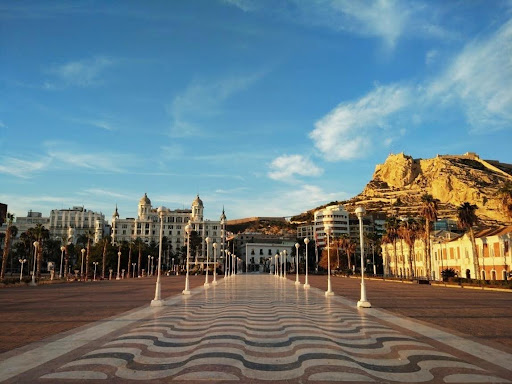
The Christmas lights are concentrated in the city center, with the Explanada de España and the area around City Hall being the most photographed spots, and they extend along the shopping streets. The best time to see them is at dusk, when there’s still some natural light and the lights are already on, because the contrast makes for great photos and the crowds haven’t yet reached their peak.
The Tree and the Seasonal Elements
Every Christmas, Alicante sets up a towering tree in the city center that serves as a gathering spot and a must-visit spot for photos. The design, height, and location have varied from year to year, so rather than a fixed tradition, it’s best to think of it as one of those elements that the city renews each season.
The Nativity Scene Museum
For those traveling with children or who enjoy Christmas traditions, the Nativity Scene Museum in Alicante is a short and very rewarding visit, featuring figures and scenes from different eras and styles. You can see it all in less than an hour, and it pairs well with a stroll through downtown. Special holiday hours change every year, so it’s a good idea to check them before you go.
Christmas Eve, New Year's Eve, and Three Kings Day
December 24 and 25
Christmas Eve in Alicante is a night spent at home around a long table. The city empties out starting in the mid-afternoon; many stores close early, and the downtown area remains quiet until nightfall. Something similar happens on the 25th, with lingering over dinner as the main activity and a stroll along the beach or the Explanada as a way to aid digestion—a plan that’s more common than it seems.
New Year's Eve in Alicante
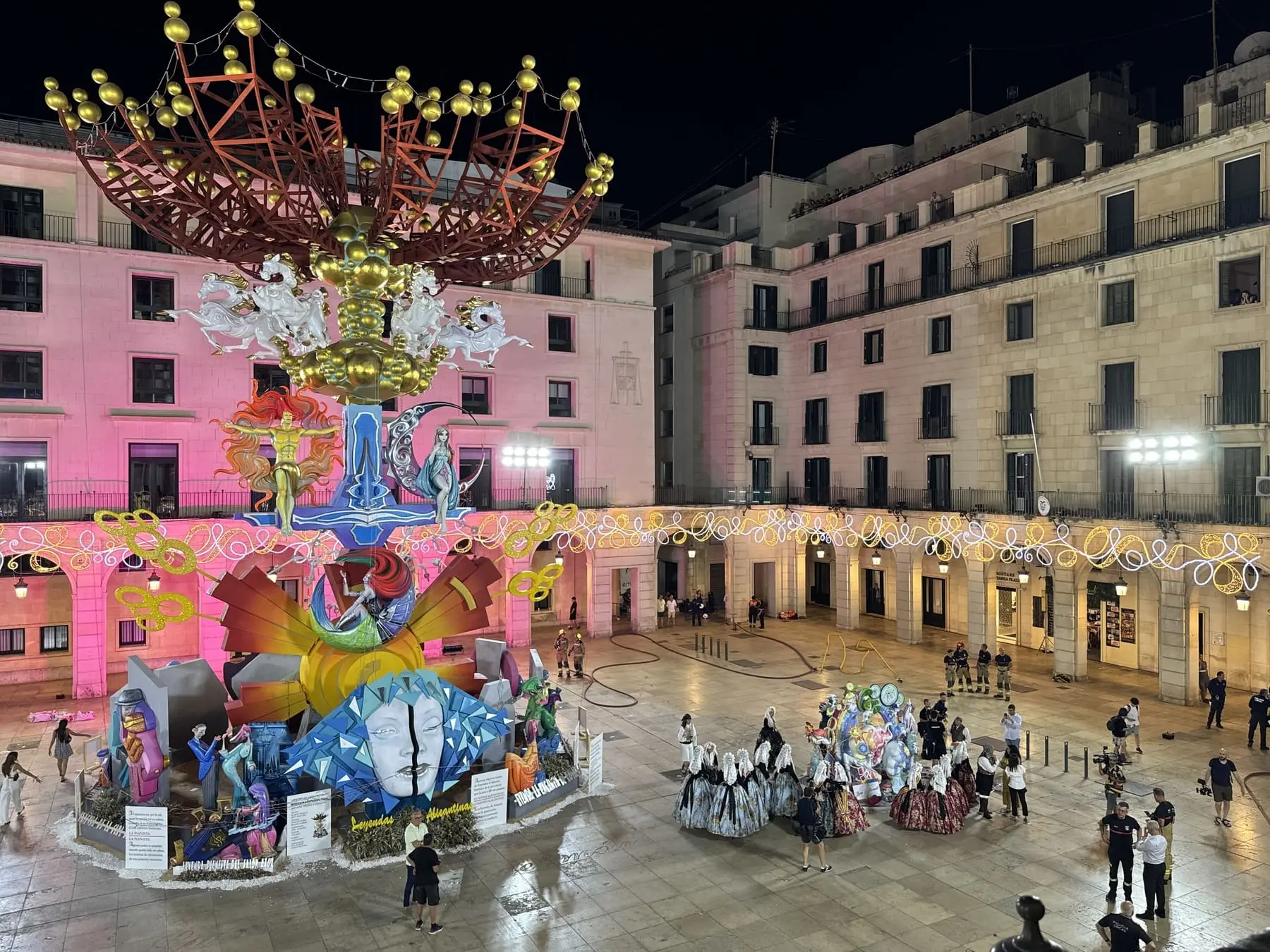
The Town Hall Square is the focal point for much of the New Year’s Eve celebration, with people gathering for the stroke of midnight and a lively atmosphere in the streets of the old town afterward. There are two ways to experience it: have dinner at home and head downtown later, or dine out and stay out on the streets. The second option is gaining popularity every year, especially among groups of friends and families with older children.
The Three Kings Parade
On January 5, the city holds its parade, which winds through downtown and brings the Christmas season to a close. It’s the most family-friendly day of the holiday season and also one of the busiest in the downtown area, with streets closed to traffic along the parade route. The route and schedule are published each year, so this is another piece of information to check on the city’s website.

A Christmas Day Itinerary Through Downtown
This is a way to link the previous plans without crossing the city three times.
Mid-morning
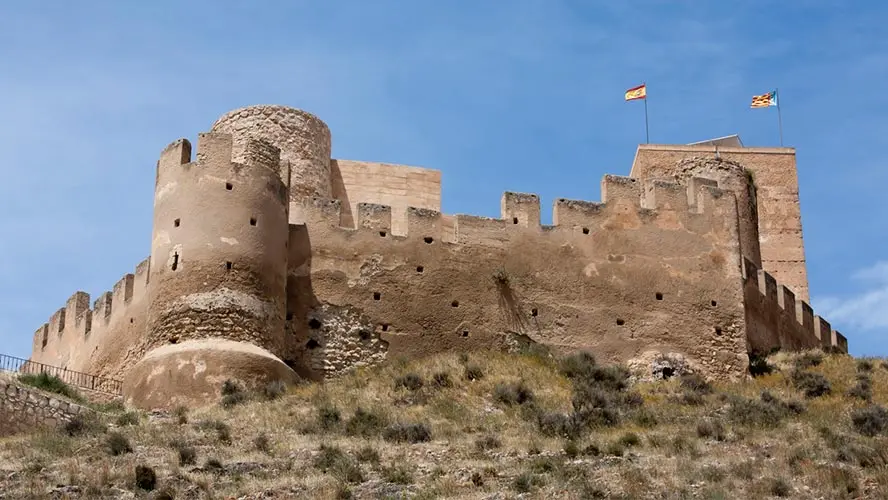
Start at the Central Market—which is at its best at this time—and continue on to the old town. If the weather is nice, head up to Santa Bárbara Castle or at least to Ereta Park to see the city from above in the winter light, which is the best time of year for photos.
Noon
Head down toward the Market area and take your time eating. December calls for long meals, and the downtown area has the advantage that everything is within walking distance, so you won't need to take the car afterward.
Afternoon
Stroll through the Federico Soto Christmas market toward Luceros and take the opportunity to finish up your shopping on the shopping streets. If you're traveling with children, the Nativity Scene Museum is a great stop here.
Late Afternoon and Evening
Head back to downtown to see the lights come on, walk through the Explanada, and finish up at the tree. From there, have dinner or a drink, depending on your plans.
If it rains: indoor activities
December isn't one of the rainiest months of the year in Alicante, but when it does rain, it's a good idea to have some alternatives ready, such as a good museum.
- The MARQ, an archaeological museum with highly visual displays that are well-suited for children.
- The MUBAG and the Museum of Contemporary Art, both in the city center and a short distance from each other.
- The Co-Cathedral of St. Nicholas and the Basilica of St. Mary, Two short indoor tours right in the heart of the Old Town.
- The Central Market, which is covered and remains functional even if it rains.
- A long meal, which in December serves as the main event of the day.
Practical advice
- The The downtown area gets crowded on Saturday afternoons. If you have a choice, go on a weekday or first thing in the morning.
- Parking downtown in December is tricky. The tram and park-and-ride facilities save quite a bit of time.
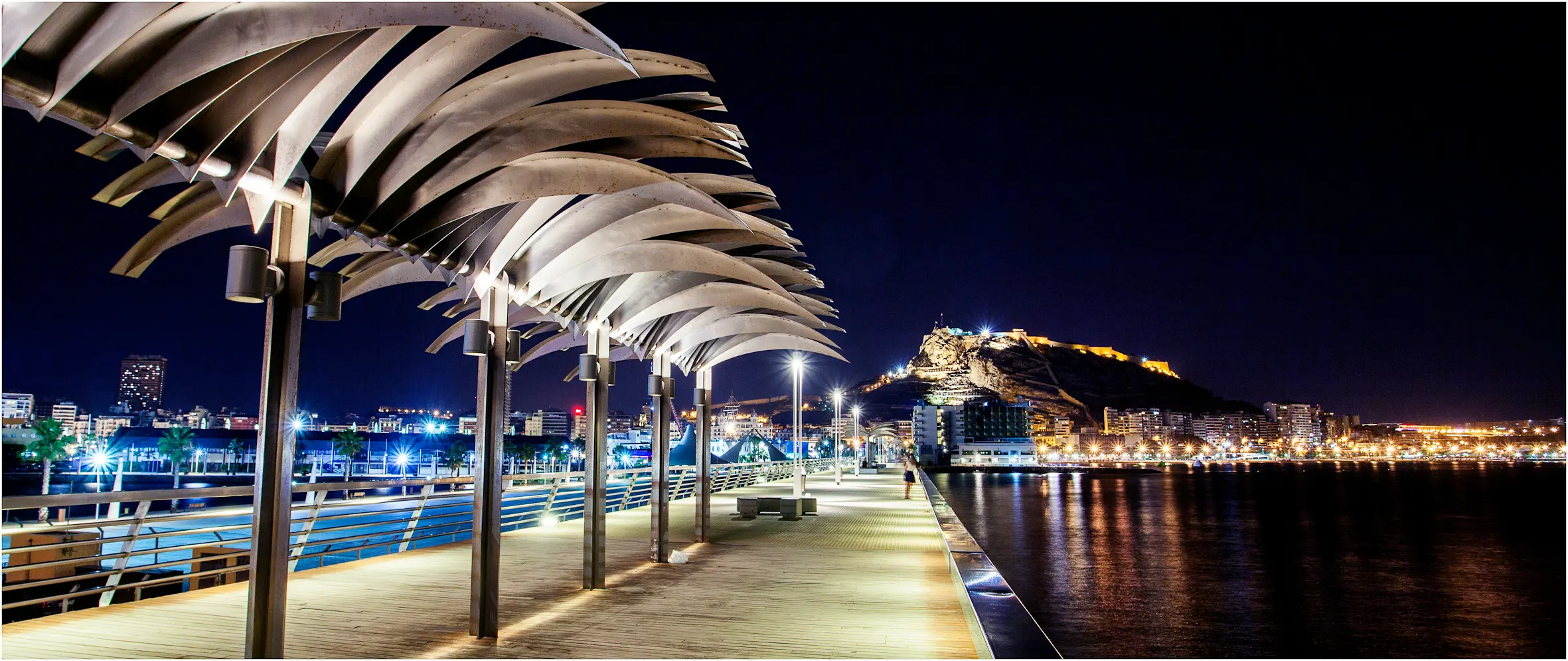
- Bring a warm coat for the evening. The afternoons are mild, but as the sun goes down, the atmosphere changes, especially near the harbor.
- Confirm special museum hours, markets, and stores—because during the holidays, almost everyone decorates them.
- If you're traveling with children, book activities with limited capacity as soon as the program is published.

Frequently Asked Questions
When do the Christmas lights go on in Alicante?
The lighting ceremony usually takes place in late November or early December, and the City Council announces the date in advance each year. The exact date varies from year to year.
Is it worth going to Alicante for Christmas if I've already been there in the summer?
They are two different cities. At Christmas, there are no beach tourists; the downtown area returns to a more local pace, and plans revolve around the shopping street, the holiday lights, and the dinner table. For anyone who only knows the city in August, the contrast is striking.
Is it cold in Alicante in December?
It’s a mild December by Spanish standards, with typical highs around 17 degrees and lows close to 9. You can go for a walk at night in a light coat most days, although it’s a good idea to check the forecast because there are days when it’s windy and humid.
What can you do on December 25 and January 1?
These are days when stores are closed and the city is quiet. Strolls along the Explanada, Postiguet Beach, and the area around the harbor are particularly enjoyable, as are long family meals. Museums usually close or have reduced hours on those days.
Is it easy to find a table for dinner on Christmas and New Year's Eve?
This is the busiest time of year at the center, especially for groups. Booking weeks in advance is the only reasonable way to secure a spot and a time slot.
Where to Dine: Dining as Part of the Plan
There's something about the Christmas in Alicante It shares something with Argentine tradition, namely the idea that the long table is the plan itself, not just a step between two plans. Bacacay That's exactly where it all began. Alejandro and Laura, an Argentine-Spanish couple, opened the restaurant together with Javier in 2022, and named it after a street in Buenos Aires where they were happy. The idea was to bring that welcoming spirit to Alicante—with the fire burning and the house open to friends, family, and celebrations.
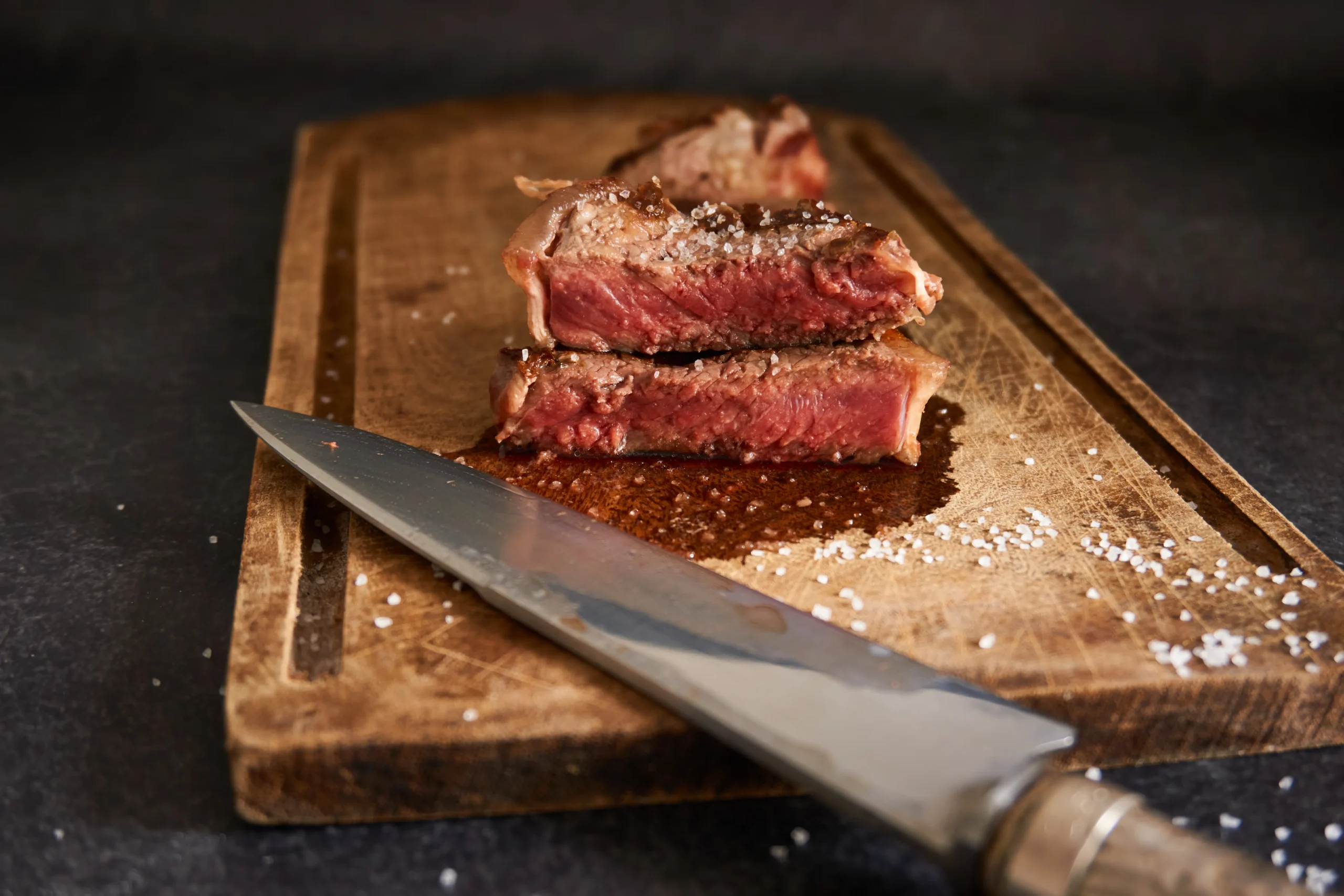
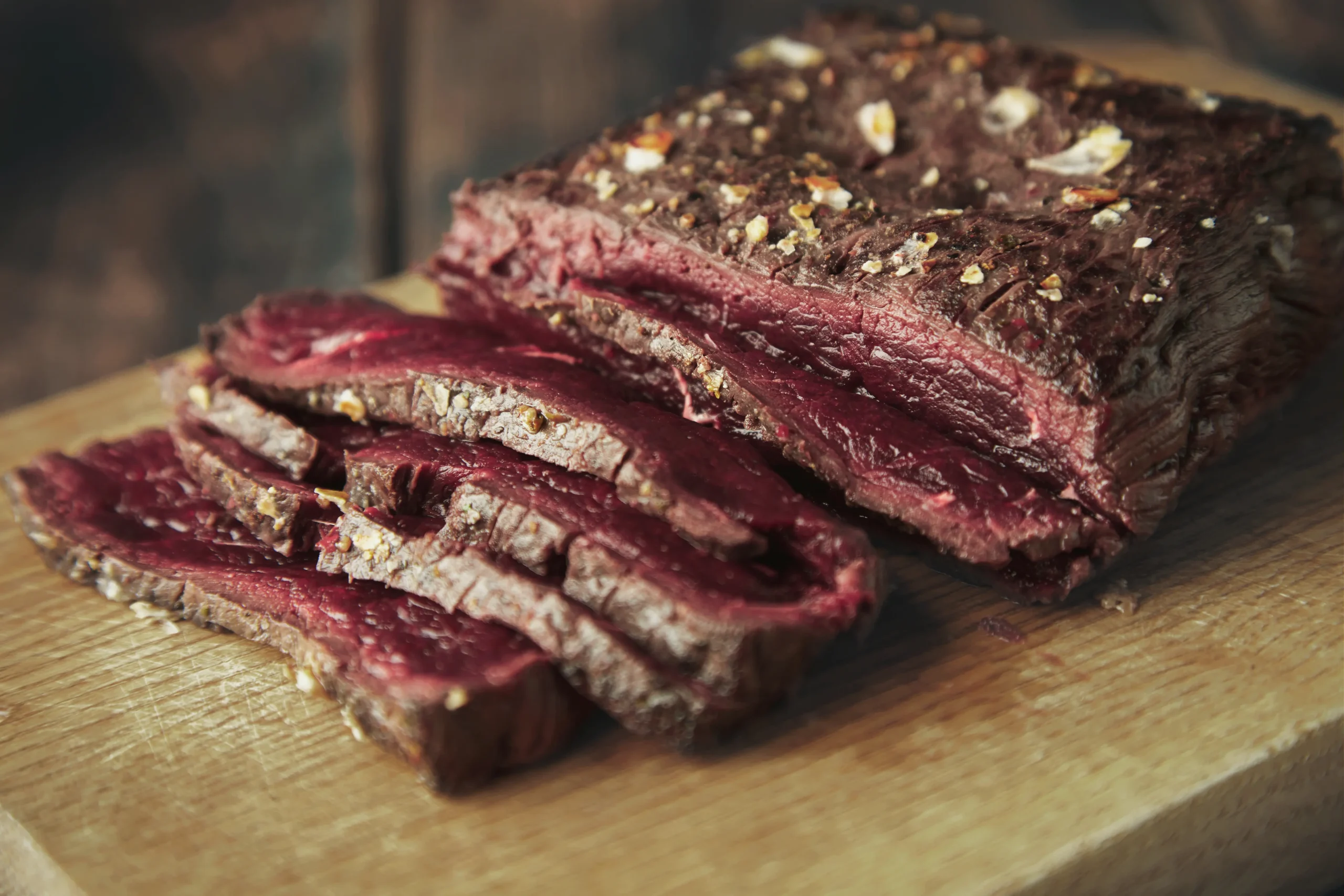
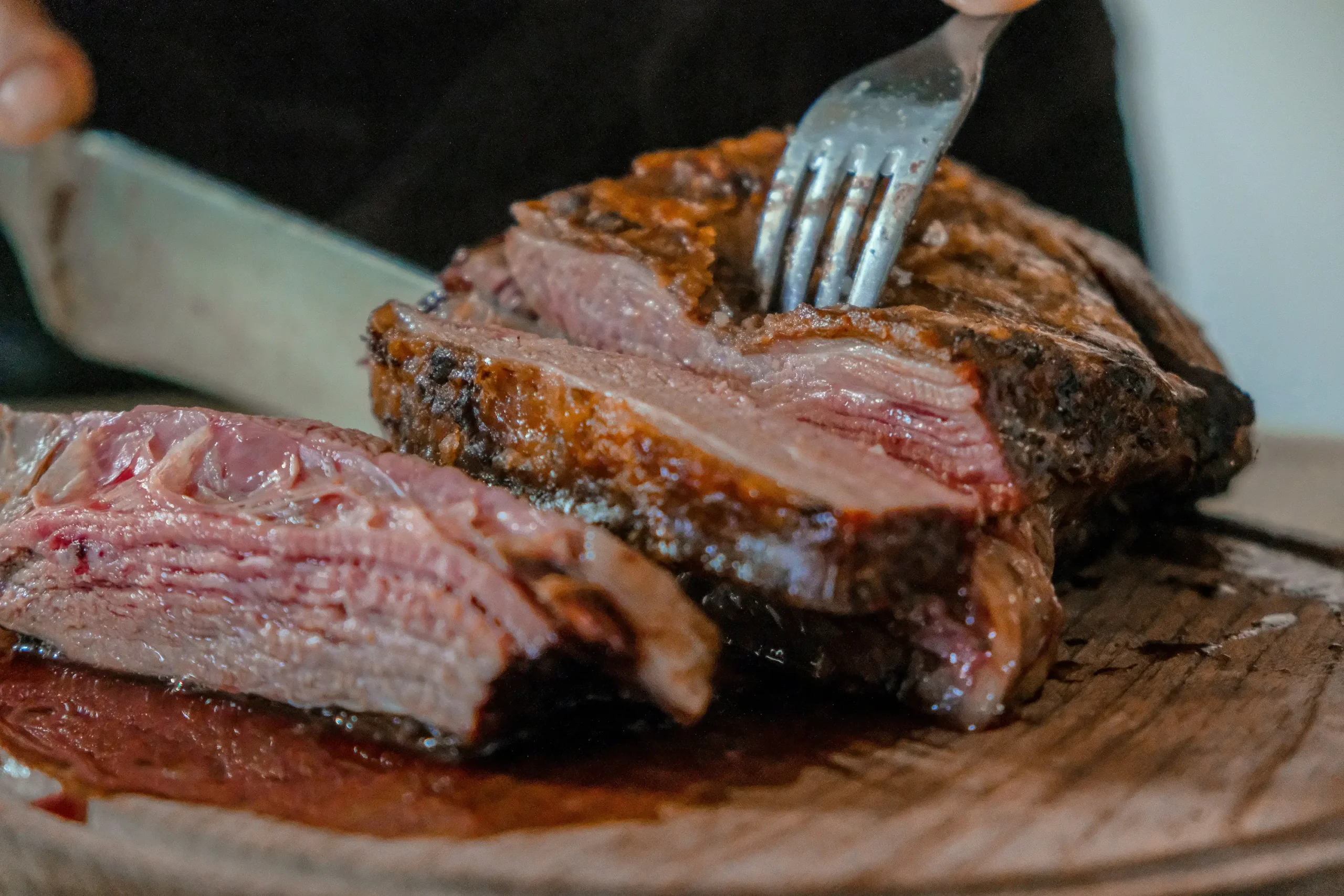
That fits in well with this time of year. The Argentine Grill It works perfectly well on its own as a full-course meal, with homemade empanadas to start, grilled cuts of meat as the main course, and Argentine wines to enjoy after the meal. And The restaurant is located right in the heart of Alicante, just a few steps from the Central Market, So dinner fits right in with any of the Christmas itineraries in this guide, without having to travel anywhere.


If you've already decided to take a stroll through the holiday lights and the market, The Christmas or New Year's Eve dinner is the last detail to be finalized. On these dates, we offer a special menu and special hours, and the large tables fill up quickly, so it’s a good idea to check availability in advance and reserve your date before the calendar fills up.




 English
 Spanish